Despite the well-known risks of distracted driving, many Canadians still struggle to put their phones away when behind the wheel. Three out of four Canadian drivers admit to driving while distracted.
According to the National Safety Council, cell phone use while driving leads to 1.6 million collisions each year. And in some parts of Canada, distracted driving fatalities have even surpassed those caused by impaired driving.
Not only could using your phone while driving increase your chances of getting in a collision, but it could also cost you your licence. All provinces in Canada, as well as the Yukon and Northwest Territories, now ban the use of cell phones or hand-held electronic devices while driving. Penalties can include hefty fines, demerit points and driver’s licence suspensions.
Why distracted driving is especially dangerous near railway tracks
A driver who is texting is six times more likely to be involved in a collision. Research suggests that some young drivers underestimate the risks associated with cellphone use while behind the wheel. In a recent poll, 39% of young drivers said that they text and drive—and 71% of those didn’t think it was “distracted driving.” But according to the statistics, distracted driving has been attributed to approximately 19% of all fatal crashes involving teen drivers.
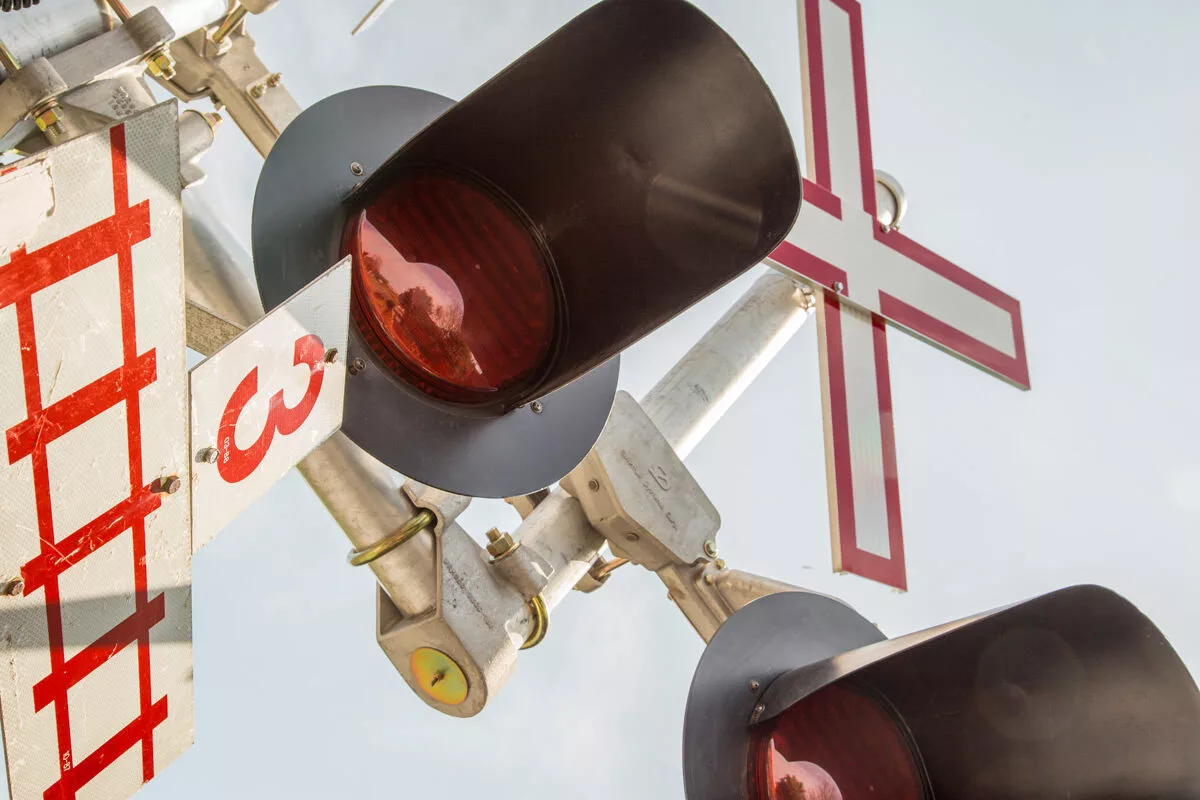
Distractions can be especially dangerous near railway crossings, where drivers must remain alert to approaching trains, warning signals, and changing road conditions. A moment of inattention can have devastating consequences.
In June 2014, 18-year-old Laura Tardif was killed when the car she was driving was hit by a train at a railway crossing in L’Isle-Verte, Quebec. Laura didn’t see the train coming because she was using her cell phone to text a friend. In August 2018, another teen, 16-year-old Kailynn Bursic-Panchuk, died after her car was struck by a train in Weyburn, Saskatchewan. Ahe had been using her phone’s GPS to navigate and didn’t see or hear the train coming.
The human impact of distracted driving
For Kailynn’s mother, Sandra Larose, the dangers of distracted driving are deeply personal. Since losing her daughter, Kailynn Bursic-Panchuk, LaRose has worked to raise awareness about the risks of using a phone while driving.
“The police constable told me that the reason for the crash was distracted driving, and that Google maps was activated and she had Snapchat notifications,” says LaRose. “Ever since Kailynn’s accident, my purse goes into the back seat, and my phone does too. If it’s sitting on the seat next to you or on the console and it flickers, you’re going to look down. If you’re looking down, you’re not looking at the road.”
Since Kailynn’s accident, LaRose has made it her mission to spread a simple—but important—message to all drivers.
“Get […] off your phone. There is nothing important enough to take that call while you’re driving,” she says. “Nobody would drive with a beer bottle in his or her hand, because it’s illegal. In Saskatchewan, it’s illegal to drive with your phone in your hand. So, if you wouldn’t drive with a beer bottle in your hand, why would you use a cellphone?”
Ensuring Canadians understand the risks
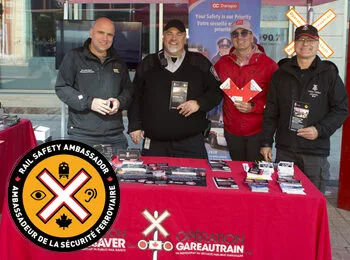
Both Kailynn’s and Laura’s tragic stories are the focus of videos produced by Operation Lifesaver Canada as part of its #STOPTrackTragedies campaign. The campaign is just one of the ways Operation Lifesaver Canada works to raise awareness among drivers of all ages about the tragic consequences of using cell phones while driving.
So, whether you are a new driver or have years of experience behind the wheel, avoiding distractions is essential—especially when approaching railway crossings. Always follow these simple rules:
- Put your phone away before driving. Keep it out of reach to avoid the temptation to check messages, notifications or incoming calls.
- Plan your route in advance. Set your GPS and review your directions before starting your trip. If you need to change your route, pull over somewhere safe first.
- Set up your music before you leave. Avoid adjusting playlists, entertainment systems or other devices while driving. Keep the volume low enough to hear approaching train whistles and railway crossing bells.
- Keep your eyes and attention on the road. Avoid distractions such as eating, reaching for objects or anything else that takes your focus away from driving.
- Stay especially alert near railway crossings. Put distractions aside, slow down, look both ways and listen for approaching trains, including train whistles and crossing bells.
- Cross railway tracks safely. Obey all warning signs and signals, stop at least five metres from the nearest rail when required, and never drive around lowered gates. Only proceed when warning signals have stopped, gates are fully raised, no trains are approaching and there is enough room to completely clear the tracks.
Remember, no call, text, or notification is worth risking your life. Share these safety tips with the drivers in your life and explore Operation Lifesaver Canada’s rail safety resources to learn more about staying safer around railway tracks and trains.