Fall can be a great time to explore Canada’s trails by ATV—before the snow falls. But if your route takes you anywhere near railway tracks or railway property, knowing how to stay safe is essential.
Railway tracks may look like a convenient shortcut, but they’re no place for an ATV. Riding on or beside tracks is not only illegal, it’s also extremely dangerous. Trains can approach quickly, and locomotives and rail cars are wider than the rails themselves. If you’re too close to the tracks, you could be hit. The sound of your ATV’s engine, combined with your helmet, can also make an approaching train harder to hear.
The safest choice is simple: only use approved trails and stay clear of railway tracks and property.
Making rail safety part of every ride
If your route crosses a railway line, make sure you only cross at a designated crossing and take the time to check that it’s safe before proceeding.
Keep these other rail-safety tips in mind whenever you head out:
- Plan your route and know your location. Before heading out, review trail maps and familiarize yourself with your planned route. Knowing where you are can help emergency responders locate you quickly if something goes wrong.
- Stick to approved trails. Never ride your ATV on or alongside railway tracks. Trains can extend up to one metre beyond the rails on either side, and some loads extend even farther. Stay on designated trails and off railway property.
- Only cross tracks at designated railway crossings. Slow down as you approach, look both ways and listen for approaching trains. A train can take up to 2 kilometres to stop, so never assume it can stop for you. Cross only when you’re certain it’s safe.
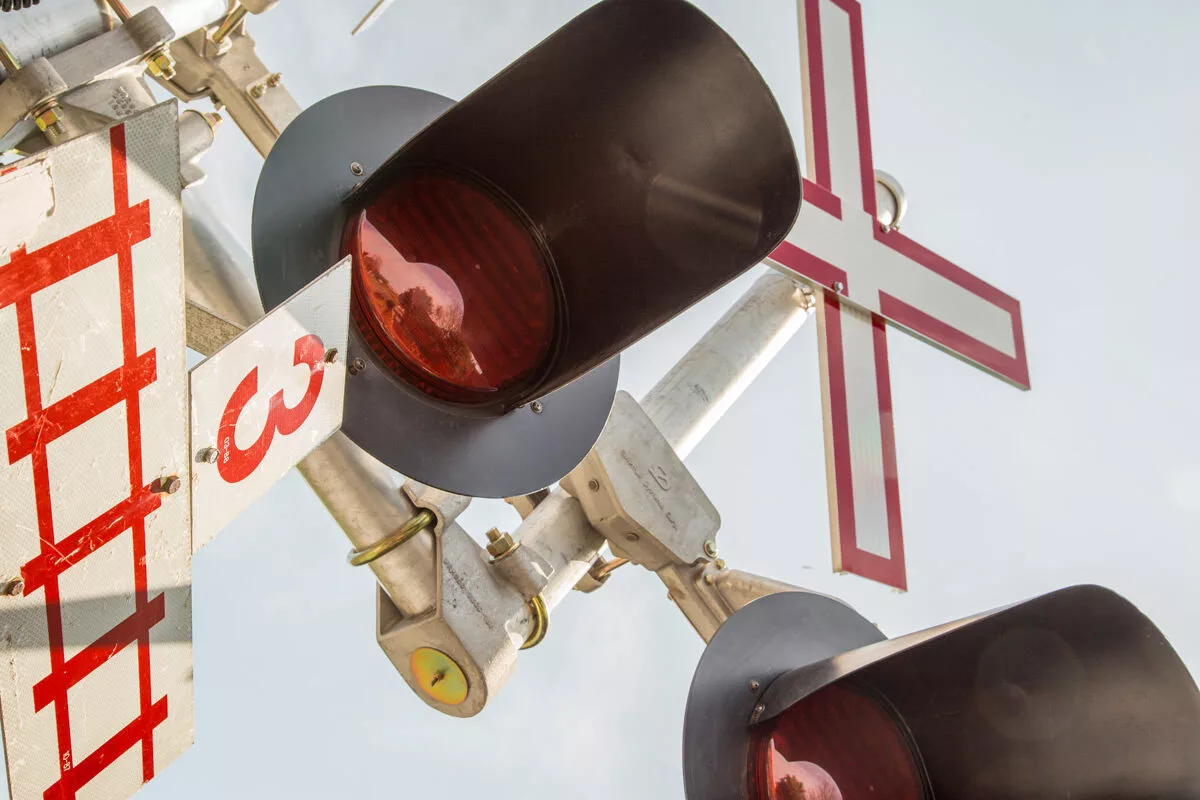
- Obey all railway crossing signs and signal. Never cross when warning lights are flashing, bells are ringing or barriers are lowered. Stop behind gates or stop lines, or at least 5 metres from the nearest rail. Never try to beat an approaching train.
- Cross at a 90-degree angle, or as close to it as possible. This reduces the risk of your wheels getting caught in the tracks. Don’t stop or change gears while crossing.
- If your ATV breaks down on railway tracks, leave it behind. Get off immediately and move at least 30 metres away from the tracks. Once you’re safe, call the railway company immediately using the blue Emergency Notification System (ENS) sign at the crossing. Provide the crossing identification number and let them know a vehicle is obstructing the tracks. If there is no ENS sign, call 911 immediately and provide your location and details about the obstruction.
Whether you’re spending the day exploring backcountry trails or heading out for a quick afternoon ride, a little planning can help make sure your ATV adventure is a safe one.
Before your next ride, check out Operation Lifesaver Canada’s off-road vehicle safety tip sheet and share these rail-safety tips with the people you ride with. Then get out there, enjoy the trails and remember: Look. Listen. Live.